
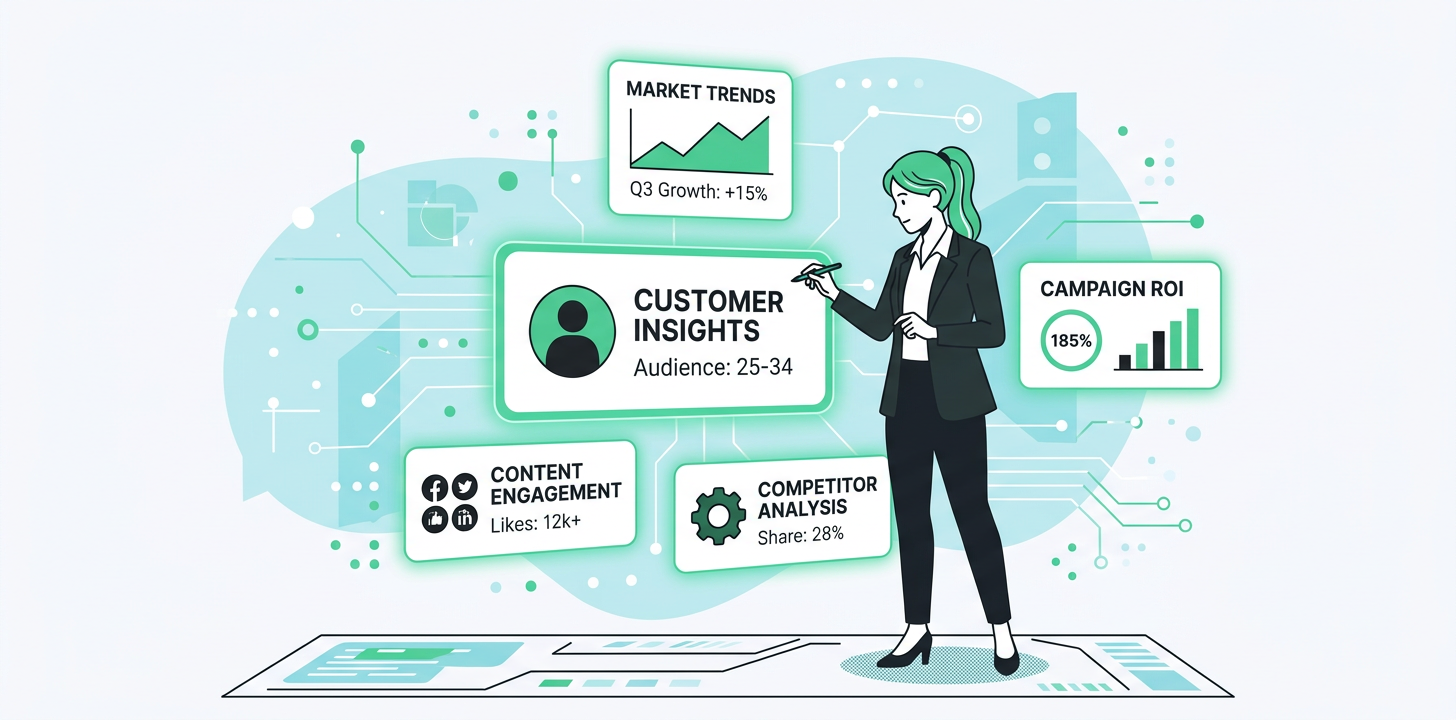
If your content strategy still treats Google rankings as the only finish line, you’re probably missing a growing layer of discovery. People now ask AI tools for product recommendations, definitions, comparisons, tutorials, and buying advice before they ever visit a website.
That’s why learning how to optimize content for Perplexity AI matters. Perplexity works like an answer engine, combining real-time web sources with AI-generated responses, which means your content needs to be easy for both people and machines to understand.
Here’s the thing, this isn’t about tricking an algorithm. It’s about publishing clear, useful, well-sourced content that deserves to be included when someone asks a specific question in your market.
Perplexity AI Optimization at a Glance
| Area | What To Improve | Why It Matters |
|---|---|---|
| Answer clarity | Direct section openings | Easier extraction |
| Source quality | Trusted outbound links | Stronger credibility |
| Topic depth | Complete coverage | Better authority |
| Structure | Headings, lists, schema | Cleaner parsing |
| Freshness | Updated facts | More current answers |
Perplexity says its public answer engine is powered by infrastructure that includes an index spanning “hundreds of billions of webpages,” according to its API Platform help page. That’s a big clue for website owners: your page is competing in a massive source environment, so clarity and usefulness matter more than ever.
What It Means to Optimize Content for Perplexity AI
To optimize for Perplexity, you create content that answers a question clearly, backs up claims with trustworthy sources, and gives the AI enough context to understand where your page fits in the topic.
Traditional SEO often focuses on ranking a URL for a keyword. Perplexity optimization focuses on becoming a useful source for an answer. The overlap is real, but the format expectations are different.
Perplexity’s own hub describes the platform as an answer engine that returns responses grounded in real-time web sources. You can see how the company frames this experience on the Perplexity hub, where the emphasis is on checkable answers instead of anonymous AI output.
For businesses, that means your content should do three jobs at once:
- Answer the user’s question directly
- Prove the answer with experience, data, or credible sources
- Make the page easy to summarize, quote, and compare
That last point is where many websites fall short. They may have useful information, but it’s buried in long intros, vague headings, thin examples, and unsupported claims.
Why Perplexity Visibility Matters for Small Businesses
AI answer engines are becoming part of the buyer journey. Someone might ask for the best CRM for a small agency, how to choose an eCommerce platform, what topical authority means, or whether a local service provider is trustworthy.
If your brand never appears in those answers, you’re invisible during a key decision-making moment. That’s especially painful for early-stage businesses that need every qualified touchpoint they can get.
The good news? You don’t need to be a huge publisher to improve your odds. You need a focused topic strategy, useful pages, clear formatting, and stronger authority signals.
For example, a small SaaS company doesn’t need one giant article called “Marketing.” It needs a connected library of pages answering specific questions customers actually ask, such as pricing comparisons, use cases, setup guides, alternatives, FAQs, and beginner definitions.
That’s how you build visibility one useful page at a time.
1. Start With One Specific User Question
Every Perplexity-friendly page should begin with a clear question or problem. If you try to cover too many intents at once, the answer engine may struggle to identify the best use for your content.
Instead of writing “Complete Guide to Email Marketing,” narrow the purpose. Try “What is email segmentation?” or “How do small eCommerce stores reduce abandoned carts?”
This matters because Perplexity users often ask conversational questions. Your content should map to those questions naturally, not just to short keyword phrases.
A simple test helps: if someone asked the target question out loud, could your page answer it in the first few paragraphs? If not, tighten the angle.
2. Put the Direct Answer Near the Top
Don’t make readers dig for the point. Start each major section with a clear, standalone answer, then add nuance, examples, and supporting details.
This structure helps humans skim and helps AI systems understand the main takeaway. It also improves your chances of being useful in answer-style results.
A good section pattern looks like this:
- One direct answer sentence
- Two to three sentences of explanation
- A short example
- A list, table, or checklist when useful
For example, if your section is “How does Perplexity choose sources?” don’t open with a history lesson. Start with the practical answer: Perplexity tends to use pages that are relevant, accessible, current, and easy to interpret.
Then expand.
3. Build Topical Authority Before Chasing Mentions
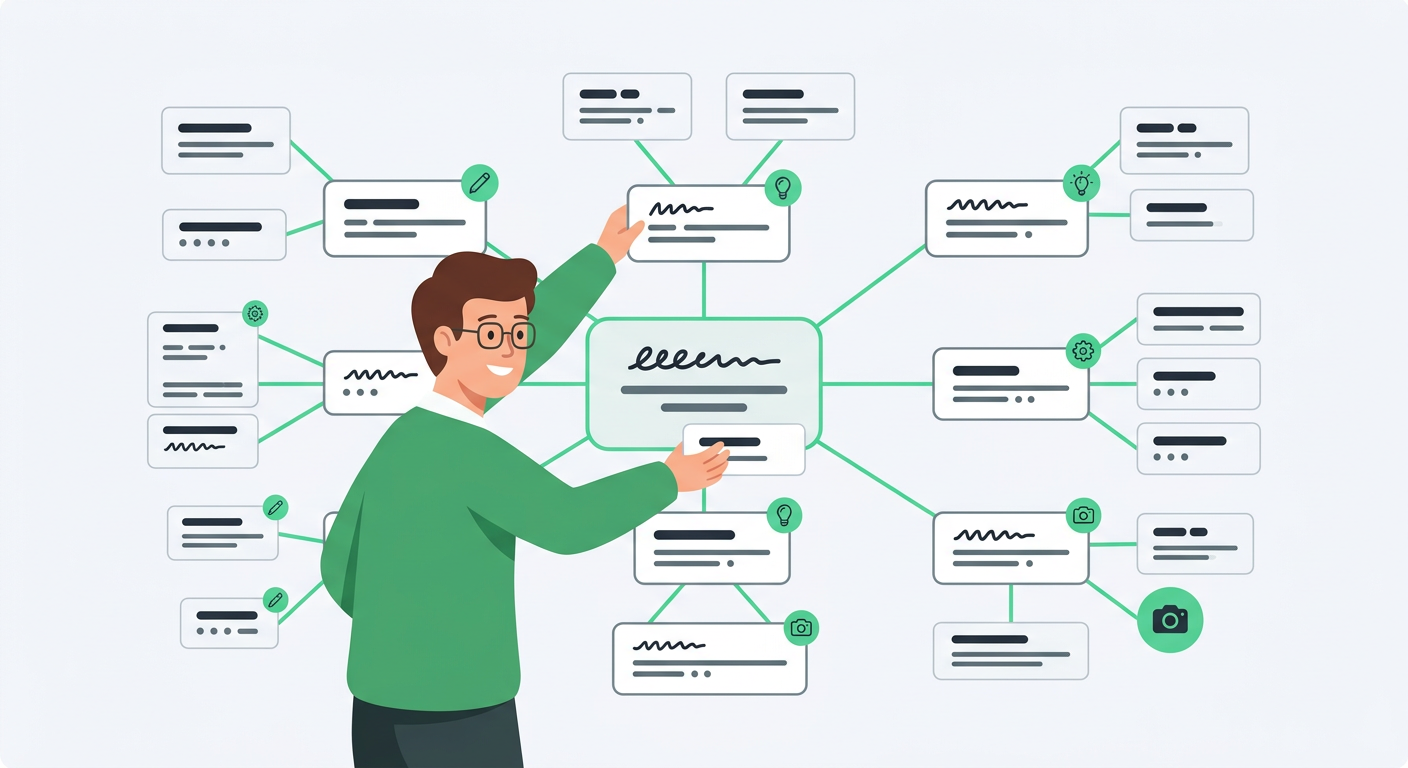
One isolated blog post rarely builds enough trust by itself. You need a connected content system that shows depth around your subject.
That means publishing a pillar page for the broad topic, then supporting it with cluster pages that answer narrower questions. If you’re new to this concept, this guide to what topical authority means explains how pillar pages, cluster content, and internal links work together.
For a small business, topical authority might look like this:
- A main guide to your service category
- Beginner glossary pages
- Comparison pages
- Use case pages
- Pricing education pages
- Troubleshooting guides
- Customer story pages
This content architecture gives AI tools more context about your expertise. It also gives visitors a better path from learning to buying.
4. Use Trusted External Sources Naturally
Perplexity is built around sourced answers, so your own content should show that you care about accuracy. Link to original sources, official documentation, data reports, standards pages, or reputable publications when making factual claims.
Don’t overload every paragraph with links. Use them where they support a statistic, a definition, a technical explanation, or a market claim.
Good source choices include:
- Official product documentation
- Government or university pages
- Original reports and datasets
- Industry standards organizations
- Reputable publications with editorial review
Weak source choices include thin affiliate pages, anonymous summaries, copied listicles, and outdated posts with no visible author.
This doesn’t mean your page should read like an academic paper. It means your claims should be checkable.
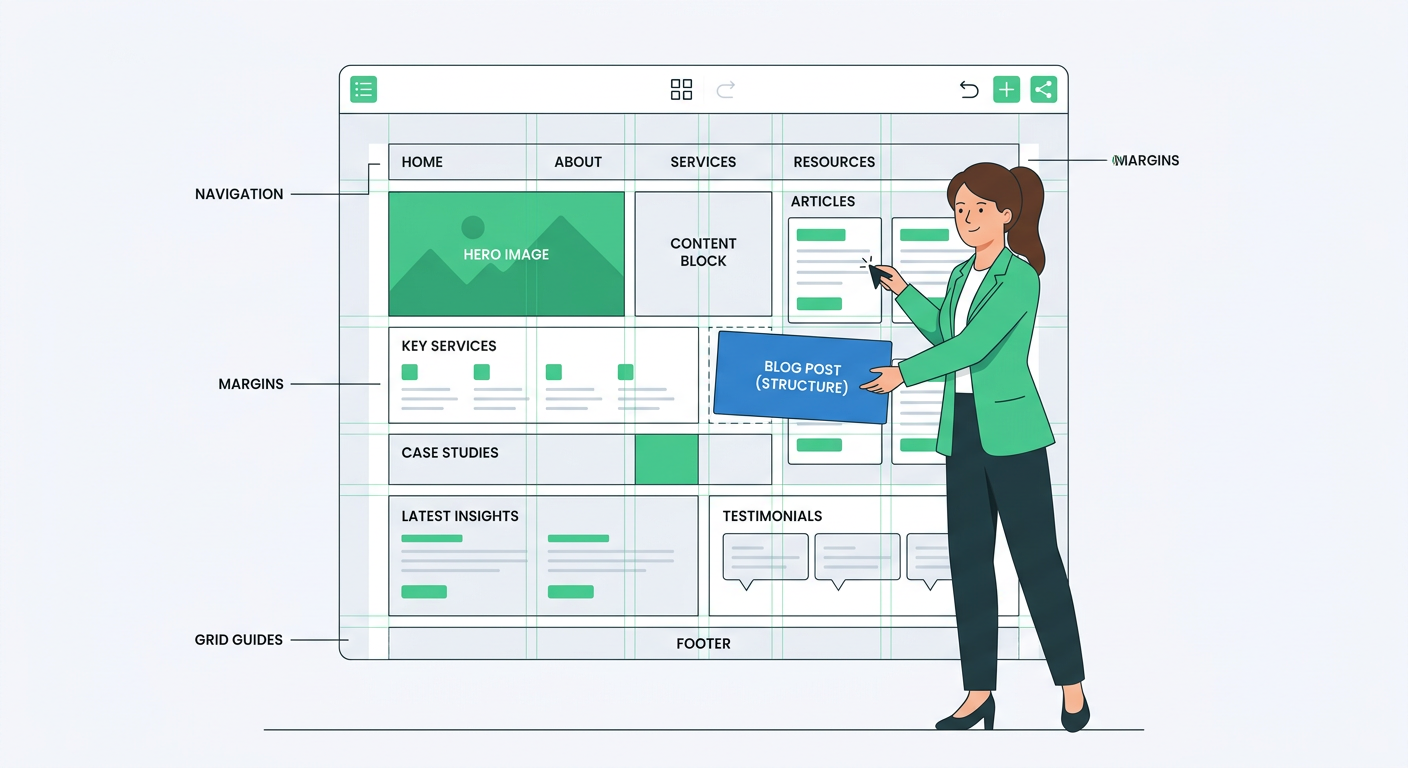
5. Make Your Content Easy to Parse
Clear formatting is not just a design preference. It’s an AI visibility signal because well-structured pages are easier to understand.
Use descriptive headings, short paragraphs, bullet lists, tables, summaries, and FAQs. Avoid clever headings that sound fun but hide the meaning.
For example, “The Money Part” is less useful than “How Much Does Perplexity Optimization Cost?” The second heading tells readers and AI systems exactly what the section covers.
You should also avoid burying important information inside images. If a key point only appears in a graphic, the page may lose context. Keep your main ideas in crawlable text.
6. Add Schema Where It Fits
Schema markup gives structured context about your page. It won’t magically make you appear in AI answers, but it can help machines understand the page type, author, questions, and content relationships.
For this topic, useful schema types may include:
- Article for educational posts
- FAQPage for question sections
- HowTo for step-by-step tutorials
- Product for product pages
- Organization for brand context
The key is accuracy. Don’t add FAQ schema if the questions are not visible on the page. Don’t use Product schema on an informational article. Structured data should describe what’s actually there.
7. Include Original Experience and Examples
AI tools can summarize common knowledge all day. What they can’t invent from your website is your real experience, your client examples, your product insights, or your unique point of view.
This is where smaller brands can compete. You may not have the biggest domain, but you can publish details that generic competitors don’t have.
Add things like:
- Screenshots from your workflow
- Before-and-after examples
- Mini case studies
- Expert commentary
- Lessons learned from client work
- Original definitions in plain English
- Decision frameworks your audience can use
If you sell eCommerce consulting, don’t just define conversion rate optimization. Show how you’d diagnose a product page with weak trust signals, vague shipping info, and poor mobile layout.
Specific beats generic.
8. Keep Pages Fresh and Honest
Perplexity can pull current sources, so stale content is a risk. If your article says “current pricing” but the prices changed months ago, you’re creating trust problems for readers and AI systems.
Add visible update dates when it makes sense. Refresh statistics, screenshots, tool names, and recommendations on a recurring schedule.
For early-stage businesses, a simple monthly content maintenance habit can go a long way. Pick your most important pages and ask:
- Is the answer still accurate?
- Are the external links still valid?
- Have competitors changed their offers?
- Are examples still relevant?
- Can we add a stronger expert insight?
- Should this page link to newer related content?
Freshness doesn’t mean rewriting everything. Sometimes it means improving one section, replacing an outdated source, or adding a clearer summary.
9. Track Google Rankings and AI Visibility Together
Classic SEO and AI visibility are now connected. Pages that perform well organically often have strong content structure, relevance, backlinks, and trust signals, which can also help them become useful sources for AI answers.
You should monitor both. Use ranking data to understand which pages already have momentum, then improve those pages for answer-first formatting, topic depth, and source quality.
A tool like Marvlus keyword tracking can help you see which pages are close to stronger Google positions, then prioritize content updates that may also improve AI visibility.
This is especially helpful when your team is small. You don’t want to randomly update 50 pages. You want to improve the pages with the best chance of moving traffic, leads, and brand visibility.
A Simple Workflow for Day 8 of an Early-Stage Strategy
If you’re building a progressive content strategy, Day 8 is a great time to move from basic publishing to AI visibility preparation. You already have your early topic ideas, now you need to shape them into pages answer engines can understand.
Here’s a practical Day 8 workflow:
Choose One High-Intent Topic
Pick one topic your audience already cares about. For example, “best email automation tools for small businesses” or “how to improve local service page rankings.”
Don’t choose a topic just because it has volume. Choose one tied to a real business outcome.
Define the Core Question
Turn the topic into one clear question. This keeps the page focused and prevents rambling.
Examples:
- What is the best email automation tool for a small business?
- How do I make my service pages easier for AI tools to understand?
- What should an eCommerce product page include?
Draft the Answer First
Before writing the whole page, write a 40 to 60 word answer. This becomes your anchor.
If you can’t explain the answer simply, you probably need to narrow the topic or learn more before publishing.
Add Proof and Depth
Add examples, source links, comparisons, definitions, and practical steps. This is where your page becomes genuinely useful instead of just technically optimized.
Ask yourself, “Would a real customer trust this enough to take action?”
Connect It to Related Pages
Add internal links to relevant supporting content. If you don’t have supporting content yet, note what needs to be created next.
This turns one article into part of a larger authority system.
Common Mistakes That Hurt Perplexity Visibility
Most content failures are not technical. They’re clarity failures.
Here are the big ones to avoid:
- Writing long intros before answering the question
- Using vague headings that hide the topic
- Making unsupported claims
- Copying what every competitor already says
- Publishing thin pages around nearly identical keywords
- Forgetting author names, dates, and credentials
- Blocking important content behind scripts or popups
- Ignoring updates after publishing
The pattern is simple. If a reader has to work too hard to understand your page, an AI system probably has to work too hard too.
How to Measure Progress Without Overcomplicating It
You won’t always know exactly when Perplexity uses your content as a source. But you can still track leading indicators.
Watch for:
- More branded queries in analytics tools
- Growth in direct traffic after content updates
- Improved Google positions for target pages
- More referral visits from AI platforms
- More mentions of your brand across third-party pages
- Better engagement on educational content
- More leads mentioning they found you through AI tools
For small businesses, don’t turn this into a 30-tab reporting nightmare. Pick a few metrics you’ll actually review every week.
Then keep improving the pages that show momentum.
Turn Your Website Into an AI Visibility Asset
If you want a faster way to find gaps, run a free audit with Marvlus. It reviews your website for SEO and AI visibility signals, then gives you practical next steps without burying you in jargon.
Use it to spot weak pages, improve content structure, and build a clearer path toward more traffic, better rankings, and stronger AI visibility.
Frequently Asked Questions
What is Perplexity AI optimization?
Perplexity AI optimization is the process of making your content easier for Perplexity to understand, trust, and use as a source in AI-generated answers. It focuses on clear answers, reliable sources, strong structure, topical depth, and fresh information.
Is optimizing for Perplexity different from SEO?
Yes, but they overlap. SEO often aims to improve page rankings in Google, while Perplexity optimization aims to make your page useful inside AI-generated answers. Strong SEO fundamentals still help because they support clarity, authority, and content quality.
How long should content be for Perplexity AI?
There is no perfect word count. A page should be long enough to answer the question completely, but not so long that the main answer gets buried. For educational topics, a focused 1,200 to 2,500 word article often works well when it’s clearly structured.
Do backlinks matter for Perplexity visibility?
Backlinks can help because they support broader authority and discovery, but they’re not the only factor. Clear writing, source quality, topical coverage, freshness, and brand mentions across the web can also influence whether your content becomes useful in AI answer environments.
Should I create separate content just for Perplexity?
Usually, no. Create excellent content for your audience first, then format it so answer engines can understand it. The best approach is to make your existing educational, comparison, and product pages clearer, more complete, and better sourced.
Can product pages appear in Perplexity answers?
Yes, but product pages need helpful context. Add clear use cases, pricing details, FAQs, comparisons, customer proof, and supporting documentation. Thin product pages that only contain sales copy are less useful than pages that help someone make a decision.
How often should I update AI-focused content?
Review your most important pages at least monthly or quarterly, depending on how quickly your niche changes. Update stats, examples, screenshots, pricing references, and recommendations whenever they become outdated.
Final Takeaway
To optimize content for Perplexity AI, don’t chase shortcuts. Build pages that answer specific questions, prove claims with reliable sources, cover topics deeply, and make every section easy to understand.
That’s good for Perplexity, good for Google, and more importantly, good for the real people deciding whether to trust your business. The brands that win in AI visibility won’t be the ones publishing the most noise. They’ll be the ones making the clearest, most useful answers easier to find.
