
Publishing more articles is rarely the fix for an early-stage website. The real challenge is making every new page reinforce what your business wants to be known for, rather than adding another isolated post to an already scattered blog.
A content cluster strategy gives that work a structure. We build one substantial pillar page around a core commercial topic, then create supporting pages that answer narrower questions, solve adjacent problems, and link readers toward the next useful resource or service page.
For website owners and agencies, this approach creates a cleaner editorial roadmap. Instead of asking, “What should we publish this week?” we can ask, “What is the next missing answer our ideal customer needs before they are ready to act?”
What a Content Cluster Strategy Actually Does
A content cluster is a connected group of pages that covers one business-relevant topic from broad to specific. The pillar page provides the big-picture answer, while supporting articles handle the detailed questions that would make the pillar page too long or unfocused.
For example, an SEO agency could build a cluster around “technical SEO audit.” Its pillar page would explain audits, outcomes, and process. Supporting pieces could cover crawl errors, duplicate content, Core Web Vitals, redirect mapping, and how to prioritize fixes. Each piece has a distinct job, yet all reinforce the same expertise area.
| Cluster element | Primary job | Typical intent | Example |
|---|---|---|---|
| Pillar page | Explain the core topic | Broad evaluation | Technical SEO audit |
| Supporting article | Answer one focused question | Learning or comparison | How to fix crawl errors |
| Service page | Convert qualified visitors | Purchase intent | Technical SEO audit services |
| Internal links | Connect the journey | Discovery and action | Guide to service page |
This structure is valuable because it makes the site easier for people to explore and easier for teams to manage. It also reduces accidental overlap, where several pages compete to answer the same question without any page becoming the strongest resource.
According to the Content Marketing Institute’s 2025 B2B research, only 29% of marketers rated their content strategy as extremely or very effective. Among teams that rated theirs as only moderately effective or worse, 42% identified a lack of clear goals as a contributing problem. A cluster gives every article a defined role, which makes those goals much easier to set and measure.
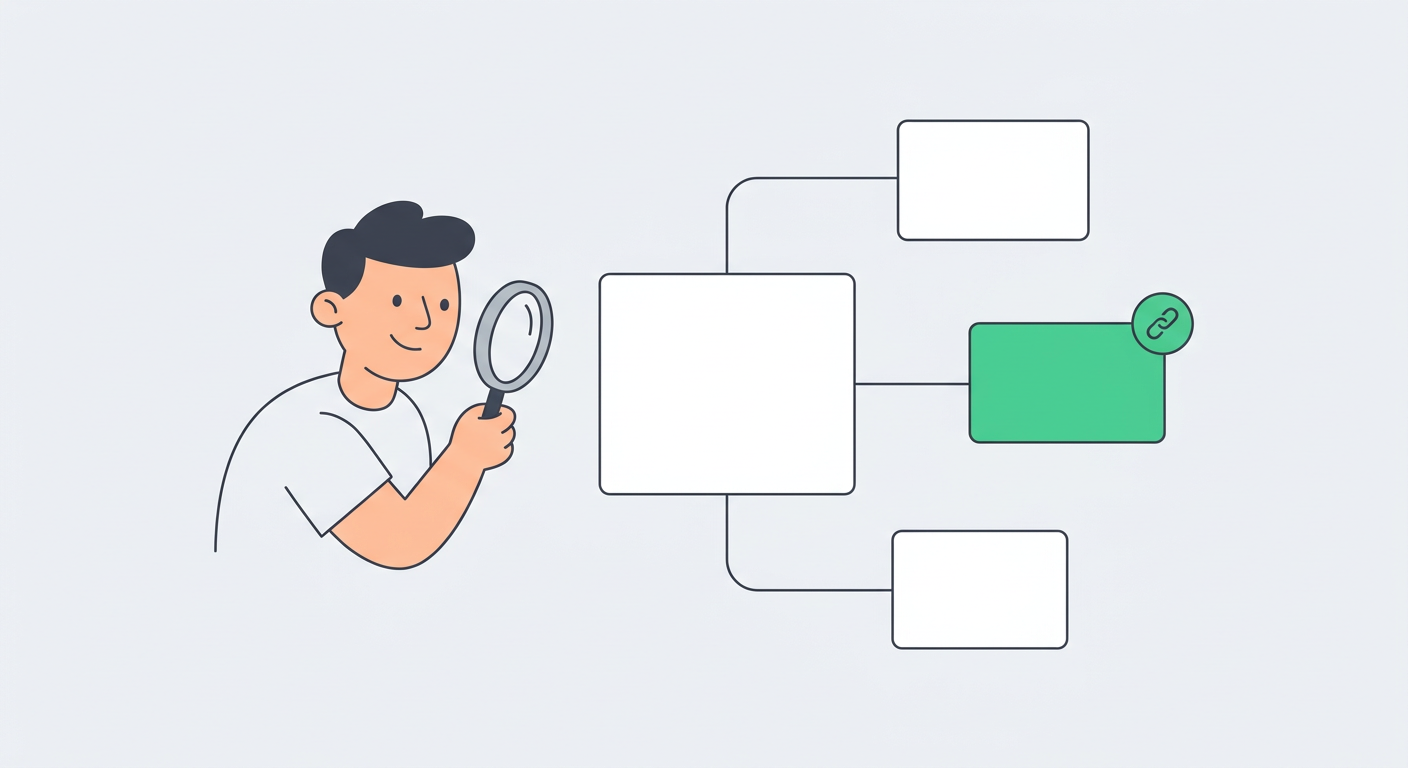
Start Small: The Best Early-Stage Cluster Is Usually One Topic
Early-stage businesses should begin with one tightly aligned cluster, not an ambitious library of dozens of pages. A smaller cluster lets us test messaging, discover which questions attract qualified visitors, and improve the pages before repeating the model elsewhere.
The first topic should sit where three things overlap:
- A service, product, or category that matters to revenue
- A problem your best customers repeatedly ask about
- A subject where you can add real experience, examples, or opinions
For a web design studio, “website redesign” may be too broad at first. “Website redesign for B2B SaaS companies” could be a better starting point because it connects to a specific audience, a known buying problem, and a service the studio can deliver.
Use a simple five-page launch plan
We recommend starting with one pillar page and four supporting pages. That is enough to demonstrate depth without overcommitting resources before the topic proves its value.
A practical first-month plan could look like this:
- Publish the pillar page, focused on the central problem and your solution framework.
- Publish a beginner question that captures early research intent.
- Publish a process-focused piece that helps readers evaluate options.
- Publish a comparison or cost-focused piece for readers closer to a decision.
- Publish a common-objections piece that connects naturally to your service.
For an agency selling local SEO, the cluster could be:
- Pillar: Local SEO for multi-location businesses
- Support: How local landing pages work
- Support: Google Business Profile mistakes across multiple locations
- Support: Local SEO reporting metrics that matter
- Support: Multi-location local SEO pricing
The sequence is progressive on purpose. We first establish the core concept, then serve readers who are learning, evaluating, and considering a purchase. It is far more useful than publishing five random articles because their monthly volume looked attractive in a planning tool.
Map Topics Around Customer Questions, Not Just Phrases
Good clusters are built around intent and decision-making, not a spreadsheet of loosely related phrases. We want to understand what a prospect needs to believe, compare, and solve before they choose a provider.
Google’s own guidance on helpful, reliable content emphasizes creating material primarily for people, with clear evidence of experience and expertise. That is a helpful test for every cluster page. If an article exists only because a phrase has volume, but it does not help a genuine prospect make progress, it probably does not belong in the cluster.
Build the map in three layers
A practical topical map has three layers:
Core problem: The broad challenge your buyer wants resolved. For example, “improve ecommerce conversion rate.”
Decision questions: The questions buyers ask while evaluating solutions, such as “How much does ecommerce conversion optimization cost?” or “Should we redesign product pages first?”
Implementation questions: The detailed problems that show how your team understands the work, such as “How to run a product page usability test” or “What ecommerce metrics should we monitor?”
This model helps us avoid a common mistake: creating only awareness content. Educational articles can bring the right people in, but the cluster also needs material for people comparing approaches, budgets, providers, and expected outcomes.
For teams building their first map, our guide to topical authority and focused subject coverage can help clarify where a topic should begin and where it becomes too broad for one cluster.
Give Every Page a Distinct Job
The fastest way to weaken a cluster is publishing pages that answer the same question with slightly different wording. Each page needs a clear primary intent, a unique promise, and a reason for the reader to continue deeper into your site.
Before drafting, write a one-sentence content brief for each page:
This page helps a specific reader solve one specific problem, then points them to the most useful next step.
For example, an article about “SEO audit checklist” might help a marketing manager understand what to review internally. It should not also try to be a full sales page, a pricing guide, and a technical implementation manual. Those are separate needs, and they deserve separate pages when they support your customer journey.
Use internal links as helpful next steps
Internal links are not decorations. In a strong cluster, they make the next action obvious.
A beginner article can link to the pillar page for full context. A technical guide can link to a related checklist. A pricing article can link to a service page where readers can request help. The anchor text should tell the reader what they will find, not simply say “read more.”
Here is a simple linking pattern:
- Every supporting page links back to the pillar where context helps.
- The pillar links to each supporting page in a logical section.
- Supporting pages link sideways only when the next resource genuinely helps.
- Commercial pages receive links from decision-stage content, not every blog post.
This creates a better reading path and gives your content team a repeatable publishing standard. If you need a clearer view of your existing page relationships, an SEO sitemap workflow can reveal gaps, orphaned resources, and crowded sections of the site.
Make Expertise Visible, Especially When AI Speeds Up Production
AI can accelerate outlining, research organization, and first drafts, but it cannot replace your team’s firsthand knowledge. A cluster becomes memorable when it includes the observations, decisions, examples, and tradeoffs that competitors cannot reproduce from generic prompts.
For an agency, that might mean sharing how you prioritized a difficult migration, what changed after a client altered navigation, or why you advised against a popular tactic in a specific situation. For a website owner, it may mean documenting product testing, customer questions, or lessons from a failed campaign.
The strongest pages often include:
- Original screenshots, frameworks, templates, or checklists
- Clear recommendations with conditions and limitations
- Examples from real client work, with sensitive details removed
- Expert commentary from people who do the work
- Updated facts, dates, and sources where accuracy matters
A useful rule is to ask, “Could any competitor publish this exact article without knowing how we work?” If the answer is yes, add a practical point of view before publishing.
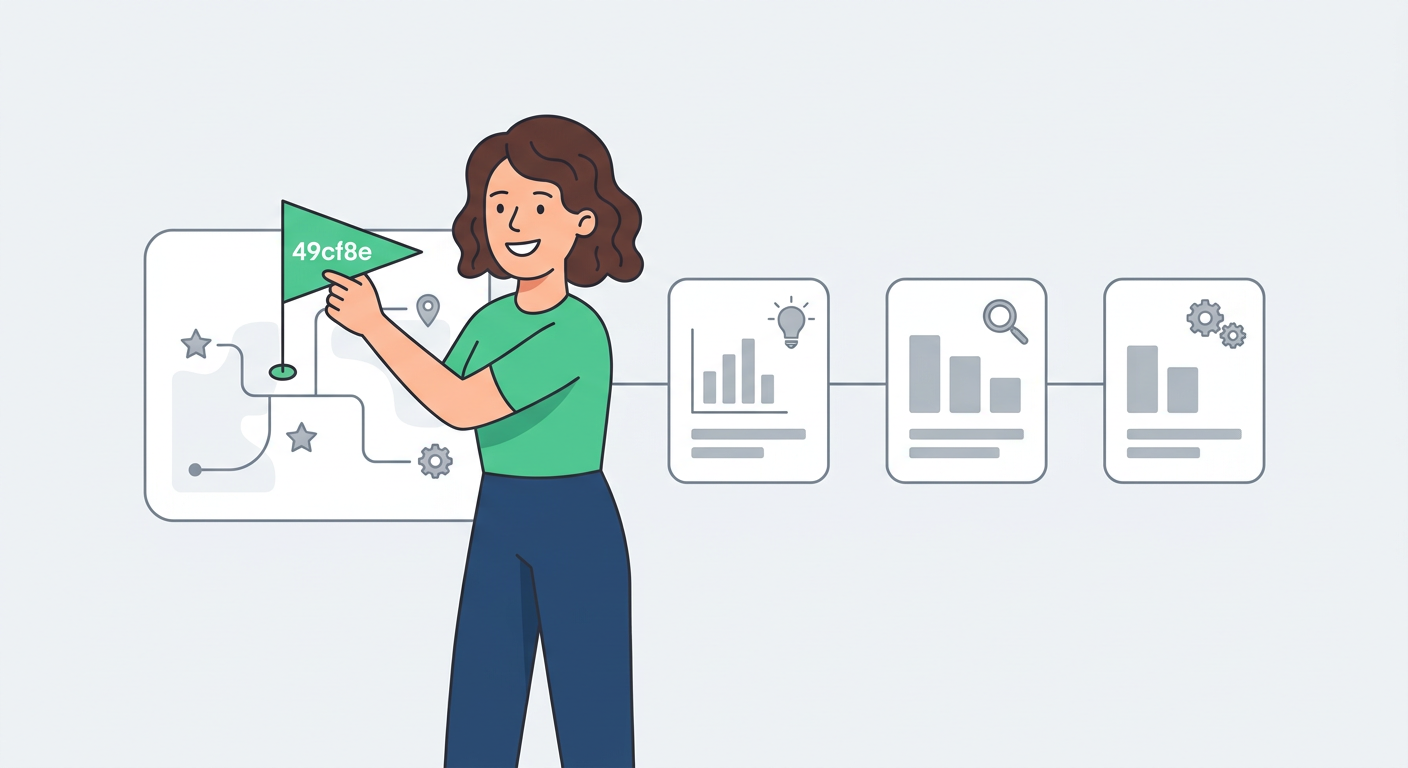
Measure a Cluster as a Group, Not as Isolated Posts
A single post may take time to earn visibility, but a cluster can show progress through several signals at once. We should measure the whole topic area, then inspect individual pages to find the next improvement.
Start with these indicators:
- Organic visits to all cluster pages combined
- Rankings and impressions for the topic family
- Internal clicks from supporting pages to commercial pages
- Leads, demos, or assisted conversions influenced by the cluster
- Engagement signals such as scroll depth, time on page, and repeat visits
- New pages needed because prospects keep asking unanswered questions
For agencies, create one dashboard per client topic rather than reporting on a long list of disconnected articles. This shifts the conversation from “Which post got the most traffic?” to “Are we owning more of the buyer’s research process?”
This is also where an AI-aware content workflow becomes useful. Marvlus combines topical mapping with website audits, rank tracking, and AI mention tracking, so teams can identify coverage gaps and watch whether their brand appears in AI-generated answers alongside standard organic performance.
A 90-Day Content Cluster Plan for Lean Teams
A 90-day plan is long enough to build momentum and short enough to keep priorities honest. The aim is not to fill a calendar, it is to create one trustworthy content system that can earn attention and guide visitors toward action.
Days 1 to 30: Choose and build the foundation
Pick one revenue-connected theme, audit existing content, and decide whether a current page can serve as the pillar. Publish or substantially improve the pillar page, then create the first two supporting pages that answer high-priority questions.
At this stage, define the conversion path. Decide where readers should go after consuming each article, and make sure those next pages are useful, current, and easy to understand.
Days 31 to 60: Add decision-stage depth
Publish two more pieces that address cost, comparison, implementation, risk, or common objections. These topics may bring less traffic than beginner queries, but they are often closer to revenue.
Review internal links as you publish. A cluster should feel intentional from the first five pages, not like a list of articles that will be organized later.
Days 61 to 90: Refresh, connect, and expand carefully
Review which pages are earning impressions, which questions recur in sales calls, and where readers leave the journey. Improve weak sections, add expert details, and create one new page only if it fills a clear gap.
Then decide whether to deepen the current cluster or begin a second one. If the first topic is producing qualified conversations, keep building depth. If it attracts the wrong audience, refine the pillar positioning before expanding.
Common Content Cluster Mistakes to Avoid
Most cluster problems come from forcing the structure rather than following real audience needs. A clean diagram is not enough if the pages fail to answer questions well.
Building a pillar that says everything and proves nothing
A pillar page should be broad, but it still needs a clear point of view. Avoid writing a generic encyclopedia entry. Explain the problem, show a useful framework, answer major questions, and route readers to deeper resources.
Publishing support pages without a commercial connection
Not every article should sell directly, but each article should support a meaningful business topic. If you cannot explain how a page helps the right audience move toward your offer, reconsider the angle.
Repeating the same idea across multiple URLs
Two pages with nearly identical intent dilute editorial effort. Merge, redirect, or reposition them so each URL has a defined purpose.
Expanding before improving
A cluster of 30 thin pages is harder to repair than a cluster of five strong ones. Early-stage teams win by learning from a manageable set of assets, then applying those lessons to the next topic.
Questions We Hear About Content Clusters
How many articles should a content cluster include?
Start with five pages, one pillar and four supporting articles, then expand based on audience needs and performance. There is no universal page count, because a narrow service may need only a few strong resources while a broad category can support many more.
How long does a content cluster take to show results?
Expect several months of consistent publishing, internal linking, and improvement before judging the model. Faster progress is possible when you already have authority, useful existing pages, or a highly specific audience, but content should be evaluated as a long-term asset.
Can a small business use a content cluster strategy?
Yes, and small businesses often benefit the most because the approach prevents wasted effort. Begin with the one subject closest to your best service or product, then publish fewer pages with more expertise and a clearer conversion path.
Should every supporting article link to the pillar page?
Usually, yes, when the pillar gives readers valuable context or a broader next step. Do not force the link where it feels unnatural, but make sure the relationship between pages is visible through useful navigation and descriptive anchor text.
Is a pillar page the same as a service page?
Not necessarily. A pillar page educates broadly, while a service page helps a qualified buyer understand your offer, process, proof, and next action. In some small sites, one page can serve both roles at first, but separating them usually creates a clearer experience as the site grows.
Can we use AI to create cluster content?
Yes, for research organization, outlining, content operations, and first drafts. We still need subject-matter review, original examples, factual checks, and an editorial point of view so the finished resource is genuinely useful and distinct.
Build Your First Cluster With a Clearer Content Map
A content cluster strategy works best when the plan is grounded in real opportunities, not guesses. Use Marvlus to audit your site, map topic opportunities, monitor rankings and AI mentions, and turn the findings into prioritized next actions for your team or clients.
Start with one important topic, identify the missing questions, and build a connected path from learning to inquiry. The goal is not more content. It is a website that earns trust one useful page at a time.
Build Depth Before You Build Volume
A thoughtful content cluster gives your site direction. It connects expertise, customer questions, internal links, and commercial goals into a system that can improve over time instead of becoming another neglected publishing calendar.
We do not need to cover every subject at once. Choose the problem your best customers care about most, publish the clearest answer you can provide, and keep adding value where the audience needs it. That is how early-stage content becomes a durable growth asset.